
Inside the Billion-Dollar World of Vintage Band Merch
In 2023, a faded, armpit-stained Metallica tour shirt from 1991 sold at auction for over $10,000. A Nirvana shirt from their 1992 tour has fetched close to $20,000. These aren't rare one-offs, they're part of a resale market for vintage band merchandise now valued in the billions of dollars globally, with platforms like Grailed, eBay, and Depop seeing thousands of band tee listings trade every single day.

To anyone who grew up buying a $25 tour shirt at a concert merch table, the idea that the same shirt could be worth hundreds or thousands of dollars decades later sounds absurd. But the math behind it is surprisingly logical and it says a lot about what makes a piece of printed apparel valuable in the first place.
From merch table to museum piece
Most band shirts start out as cheap, disposable marketing. Bands and tour promoters print them fast and in bulk usually single-color screen print on a basic cotton tee to sell as a souvenir, not a keepsake. Nobody at the merch table in 1991 thought they were handing out a future collectible.

Three things turn that cheap shirt into something people will pay thousands for decades later:
Survival rate. Cotton tees get worn, washed, stretched, and eventually thrown out. A shirt from a tour that happened 30+ years ago, still intact with the print mostly unfaded, is simply rare because so few copies survived in wearable condition.
The moment it's tied to. A shirt from a legendary, talked-about tour or a band's breakout year carries a story. The 1991-92 Nirvana and Metallica tours, for example, are tied to specific cultural turning points — that context is part of what's being sold.
Who's buying now. The people with real purchasing power today are the same people who were teenagers in the 80s and 90s. They're not just buying a shirt — they're buying a piece of their own youth back.
Streetwear made it mainstream

Vintage band tees didn't stay a niche collector thing, streetwear culture pulled them into the mainstream. Fashion houses and resellers noticed that a 30-year-old shirt with a faded print and a worn-in feel had an authenticity that a brand-new shirt simply can't fake, no matter how it's distressed.
That demand created its own economy: grading services that rate a shirt's condition like a rare coin, dedicated vintage shops that specialize only in band merch, and a resale market where a single-stitch collar or a specific print crack pattern can double a shirt's price.
Scarcity plus story plus cultural relevance is a combination that applies to print and merch of all kinds, not just band tees, it's the same reason limited drops and early-run sneakers hold their value.
How collectors spot a fake
With real money on the line, reprints and counterfeits are everywhere, so collectors have developed a checklist to verify a shirt is genuinely from its era:
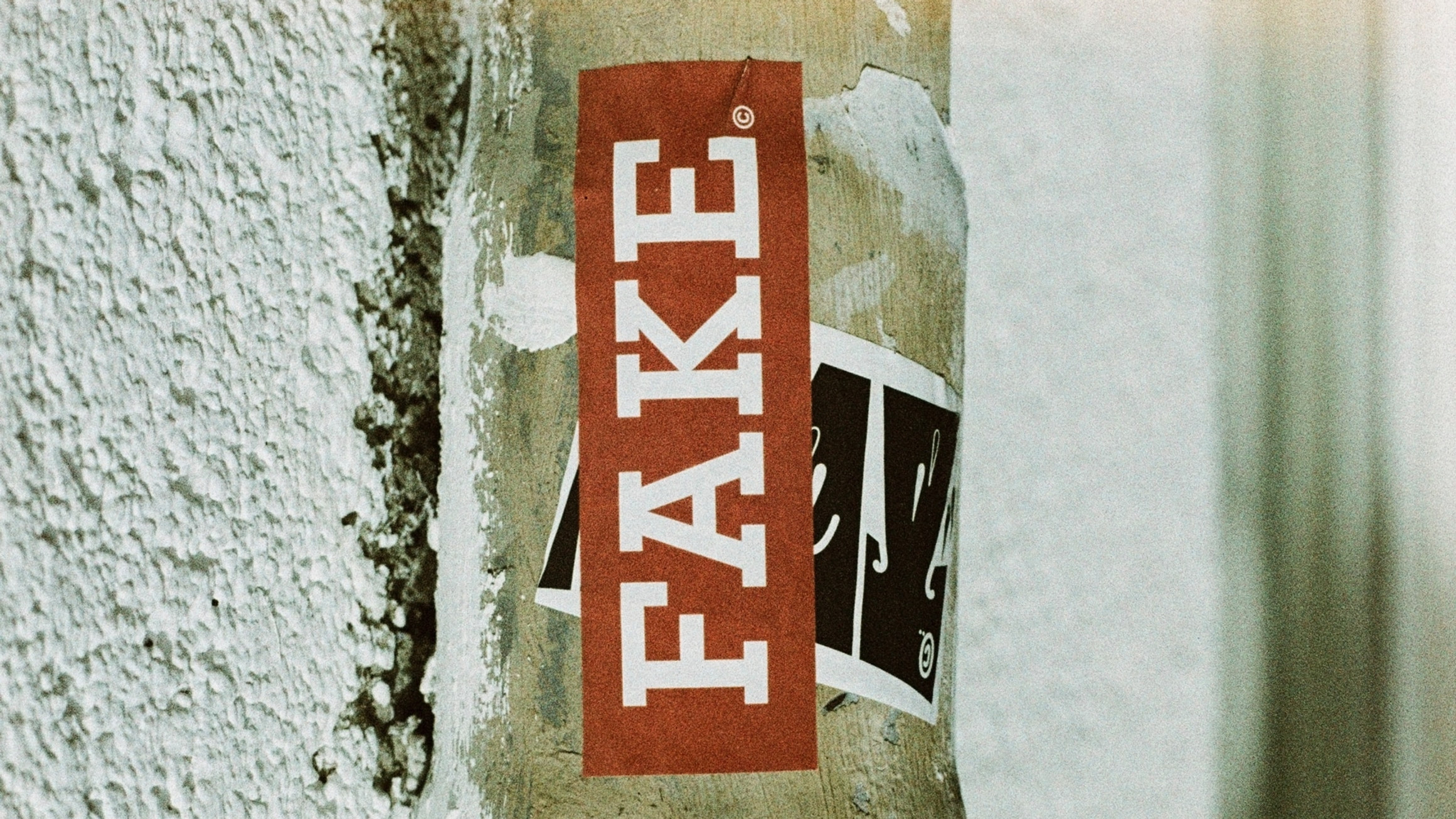
Tag and print style. Vintage tags, fabric blends, and single-color ink tend to look and feel different from a modern reprint, even one designed to look old.
Print cracking pattern. Original screen-printed ink from decades ago cracks and fades in a specific, uneven way over time, a fresh print artificially "aged" usually looks too even or too clean.
Fabric weight and stitching. Older tees were often cut from heavier cotton with single-needle stitching, which feels and drapes differently than today's lighter blends.
Provenance. A seller who can show where the shirt came from, a ticket stub, a photo, a receipt — commands a real premium over one with no story at all.
What this means if you're printing merch today
No one printing tour merch, event tees, or team wear today is thinking about resale value in 2056, but the same ingredients that made old band shirts valuable are worth keeping in mind for anything meant to last: a print that holds up over years of wear, a design tied to a real moment people will want to remember, and a shirt worth keeping instead of tossing after one wash.
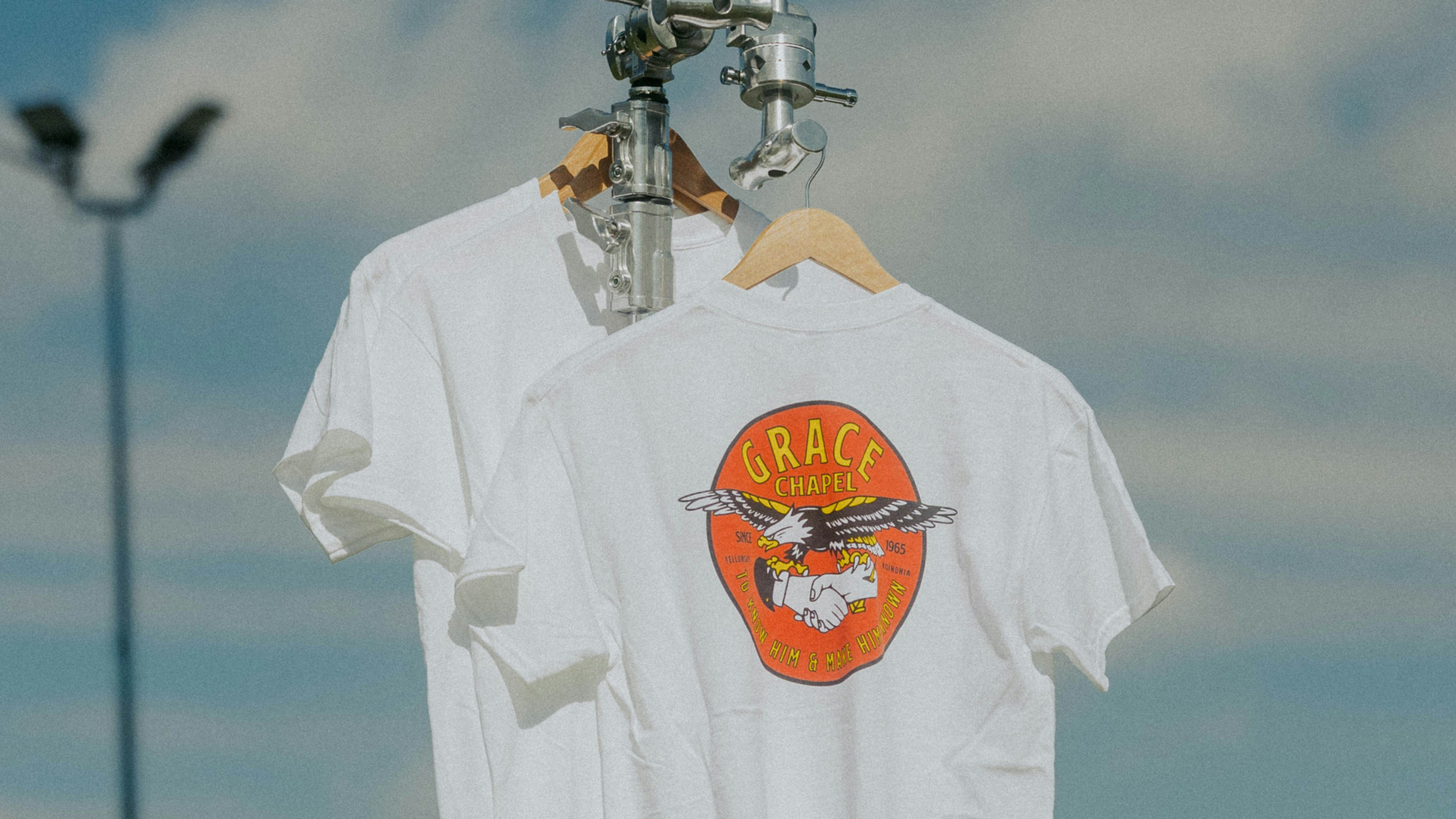
That's really a quality-and-intent question more than a nostalgia one. Whether it's screen print, DTF, or embroidery, the printing method and fabric chosen now decide whether a piece becomes something someone wears for ten years or forgets by next season.
So the next time a faded old tour shirt looks like junk to throw out, it's worth a second look, somewhere out there, a collector probably disagrees.


Comments